by Atlas Group | Oct 5, 2026 | Resources
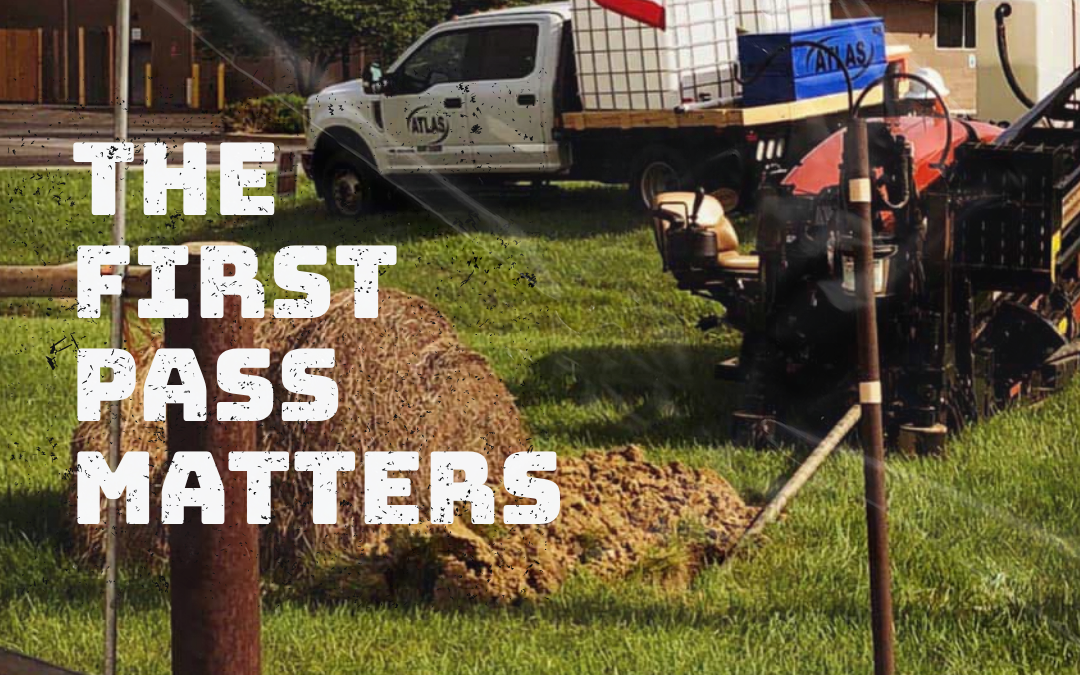
The HDD pilot bore is the foundation of the entire directional drilling process. Before the final pipe is pulled into place, the crew first creates a smaller path through the ground. That path establishes the route, grade, steering, and working space for everything...
by Atlas Group | Oct 5, 2026 | Resources
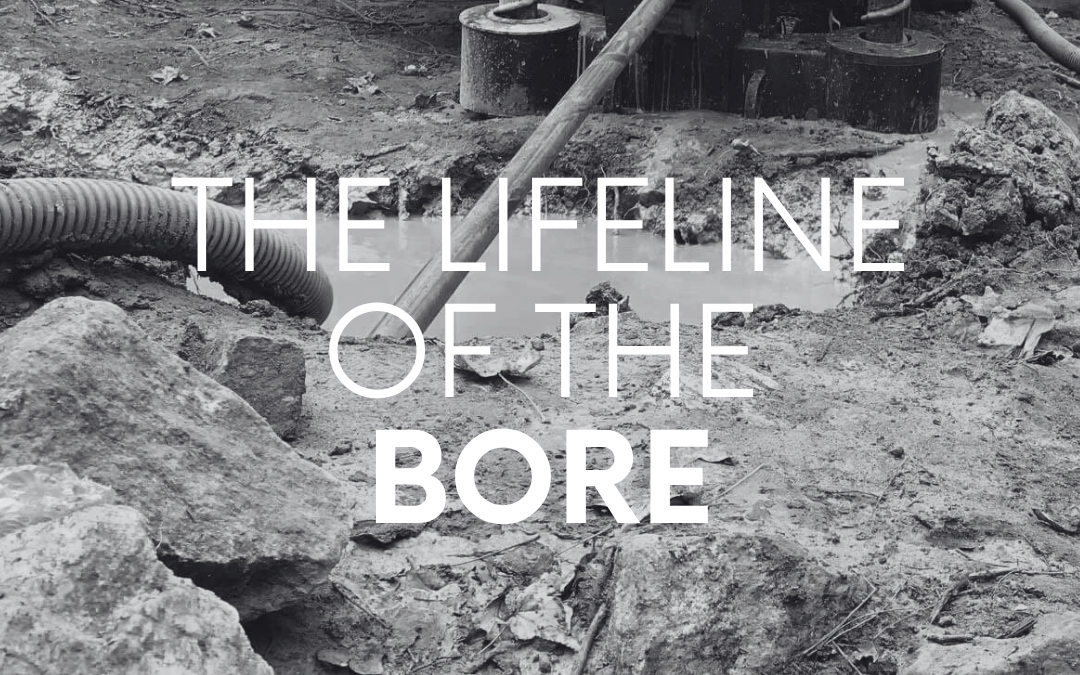
In horizontal directional drilling, the drill head and machine get most of the attention. However, HDD drilling fluid plays a major role in whether the bore succeeds. The fluid does much more than cool or lubricate the tooling. It helps carry cuttings out of the hole,...

by Atlas Group | Oct 5, 2026 | Resources
A successful HDD drilling crew depends on more than the person sitting in the drill. Horizontal directional drilling works because several people are making decisions at the same time. The driller controls the machine. The locator tracks the bore and plans the path...
by Atlas Group | Oct 5, 2026 | Resources
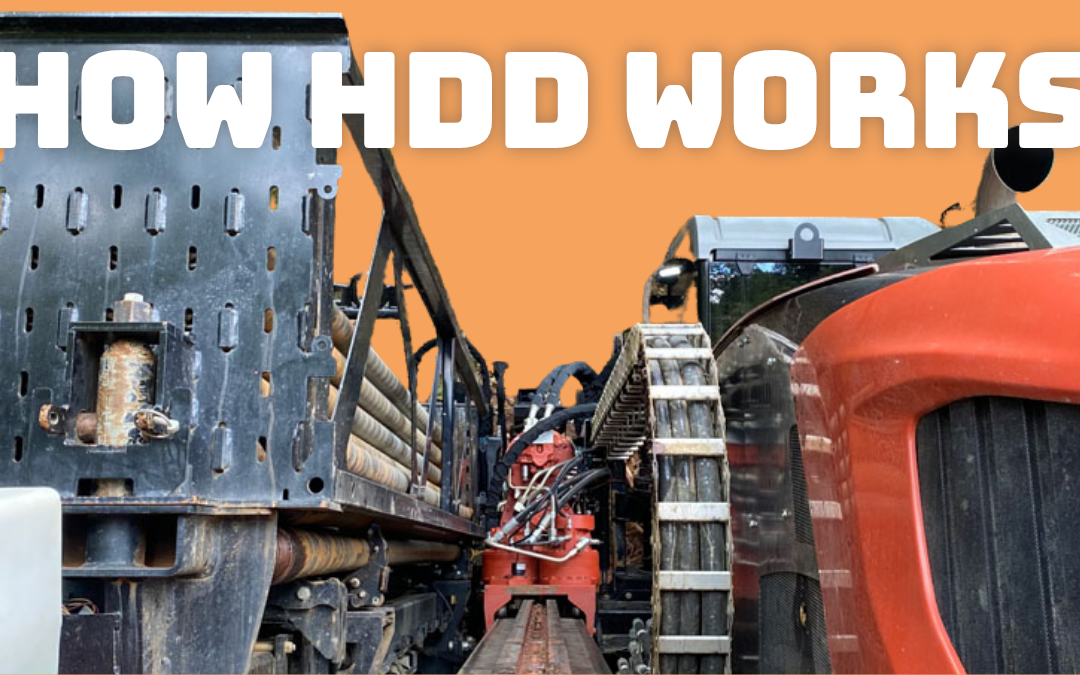
Understanding how horizontal directional drilling works starts with one important idea: the bore is built in stages. Horizontal directional drilling, commonly called HDD, does not simply drill a finished hole from one side to the other. The crew first creates a...
by Atlas Group | Sep 8, 2026 | Resources
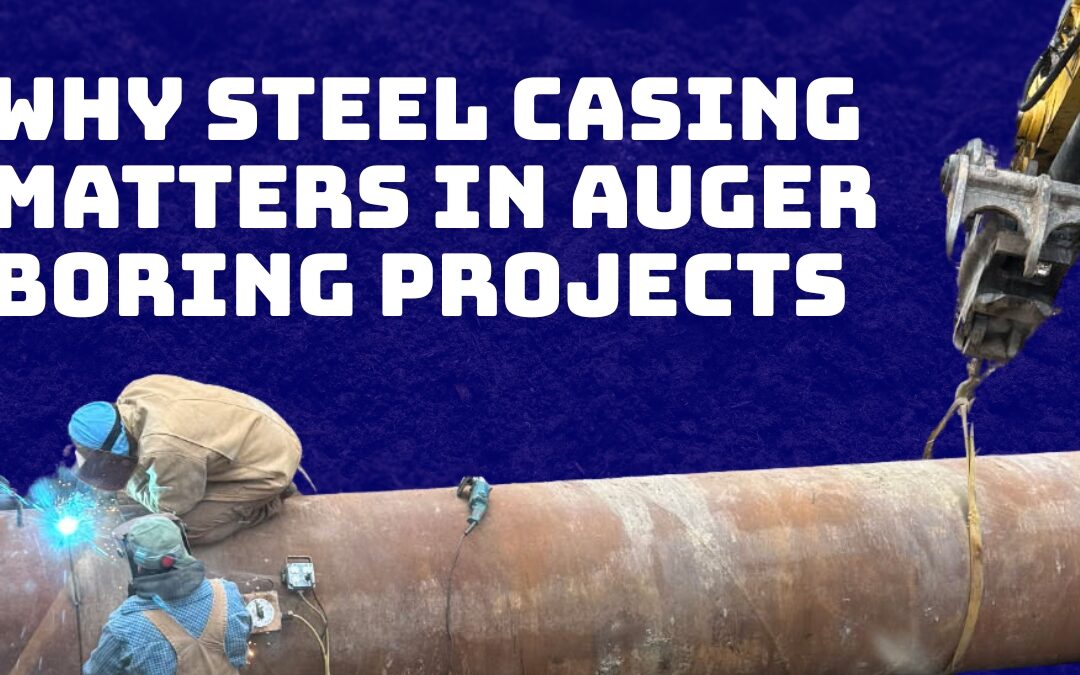
Steel casing is easy to think of as the pipe that gets left underground after an auger bore is complete. In reality, steel casing in auger boring is part of the boring system itself. The casing affects alignment, friction, spoil removal, steering, and how accurately...

by Atlas Group | Sep 8, 2026 | Resources
A successful auger bore project plan starts long before the machine reaches the jobsite. On larger projects, the actual boring may only take days or weeks. However, planning, engineering, coordination, and mobilization can begin months earlier. Atlas Group often works...